

It’s no secret that the quality of the ingredients used in the production of a spirit can greatly impact its overall character. Additionally, the corn used in Tito’s is GMO-free, offering a cleaner and more natural base. By starting with top-notch ingredients, Tito’s is able to create a vodka that is not only delicious but also less likely to contribute to the dreaded hangover.
So, stick to small amounts of alcohol or avoid it altogether if you are prone to headache or migraine. If you’ve ever asked yourself, “Why does alcohol give me a headache? This article will explore the link between migraines and alcohol, common causes, and ways to find relief. Avoiding drinking is the best way to prevent an alcohol-related headache.
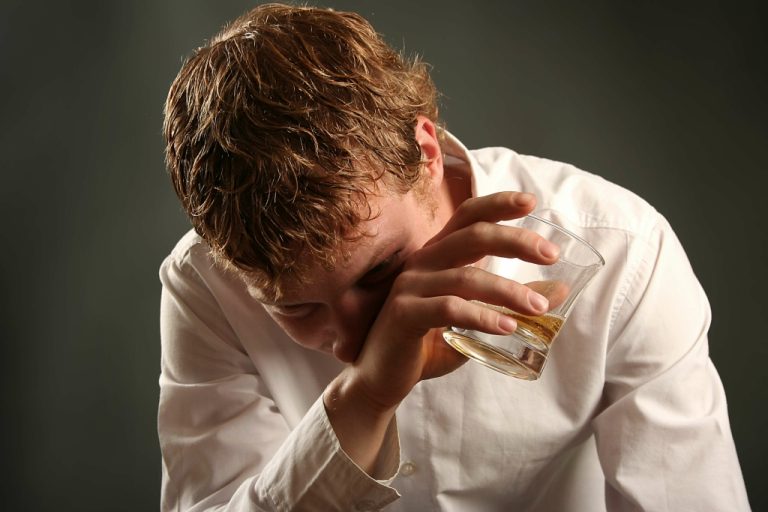
Effective Ways to Relieve a Cocktail Headache

This is the hangover effect that appears in the morning following alcohol consumption when the alcohol in the blood has reached zero. People with migraine are more likely to have this type of reaction to migraine than those without. Usually, the effects of an alcohol-triggered migraine attack will happen within 30 minutes to 3 hours. Both migraine and cluster headaches can be triggered by alcohol, and drinking alcohol can make us more susceptible — although it’s not clear which alcoholic drinks are the main culprits. More research is needed to understand how the specific content of alcohol affects the likelihood of getting headaches.
- Alcohol is a diuretic, causing the body to lose vital salts and minerals which help it to function.
- Alcohol is a common trigger for migraine attacks, but some types may be less likely to cause problems than others.
- To minimize the risk of a hangover, it is recommended to choose a high-quality vodka that is distilled multiple times and made from high-quality ingredients.
- In fact, many headache sufferers abstain from alcohol or consume less than the general population.
More on Migraine & Headaches
These symptoms may begin within minutes or hours of drinking and vary widely in severity. Alcoholic drinks also contain chemicals called congeners, which may also trigger migraine what is Oxford House headaches in certain people. We also examine the types of headaches alcohol can trigger and the types of alcohol likely to cause more headaches. Be sure to talk with your healthcare provider about your “cocktail headache” plan. Aside from this, there is some evidence to show that drinks that have been through an ageing process are liable to cause more reactions within the body.
Which types of alcohol are lowest in congeners?
Before the end of the 19th century, Lars Olsson Smith, or simply L.O. If you’ve been drinking heavily for a long time, good nutrition is even more important. If you’ve ever had just one beer and got a headache not long after, you’re seeing the principles in the list above in action. Incidentally, this is also why you might feel dizzy or have extreme thirst after hours of heavy drinking. There have been several proposed explanations for how alcohol causes headaches.
Dehydration
That also doesn’t allow for much alcohol in general, beer or otherwise. However, it should be noted that, according to Scientific American, the vasodilator effect of alcohol reverses when you drink higher levels of alcohol. It’s important to note that alcohol use disorder is a serious illness that can have life-threatening consequences. It’s important to see your healthcare provider if you are concerned about your alcohol use.
- If possible, rest in a quiet, dark room—sleep can help your body recover and lessen the intensity of the headache.
- Individuals with lower body weights cannot process as much alcohol as individuals with higher body weights.
- Dehydration is a significant cause of headaches because it reduces the fluid around the brain, leading to increased pressure and pain.
- Choosing the right type of alcohol is just one piece of the puzzle.
A 2014 survey of 692 students, 95 of whom had migraine, found that those with migraine were vodka gives me a headache more likely to experience migraine-like symptoms during a hangover. A cocktail headache is the discomfort that often follows a night of indulging in alcohol. It occurs due to dehydration caused by alcohol’s diuretic effect, vasoconstriction, and the presence of congeners.
Dehydration headache
Often, the severe headache you get after a night of binging and alcohol results from dehydration, depletion of vitamins, and chemical imbalance. Any type of alcohol, including gin, may trigger a migraine episode. But because people react differently to different alcohols, some may find that gin doesn’t trigger headaches while other alcohols do. Do certain types of alcohol lend themselves to nasty symptoms—like headaches, fatigue and dehydration—more than others? And can what type of booze you choose affect how you feel the next day? There are a lot of factors to consider, so we dove into the research to learn more.

People who get hangovers that trigger a migraine may also wish to avoid alcohol with high levels of congeners. These are substances that the alcohol manufacturing process produces. Some research suggests that congeners play a role in hangovers, although https://grabbitempire.twopyramids.in/deciding-to-share-your-recovery-story/ factors such as inflammation also contribute. Most studies point to red wine as a common headache culprit, particularly in people with migraine. These individuals commonly cite wine, especially red wine, as a migraine trigger.
Histamines and Sulfites: Potential Triggers
The occasional discomfort is often a warning sign of potential future issues. You enjoyed a beautifully crafted cocktail last night, but this morning you find yourself with a pounding headache. No one wants to feel discomfort the morning after a fun night out drinking, and a headache makes it hard to start the day energized. To understand why we feel a cocktail headache after drinking, let’s understand the science behind it and learn ways we can cure it. There are 3 main headache types that can occur from drinking even tiny amounts of alcohol. These include migraines, cluster headaches, and tension headaches.
There are several factors that can contribute to these headaches, including dehydration, blood vessel changes, and congeners in alcohol. Drinking too much can trigger migraines, and possibly other types of headaches—such as cluster headaches and tension headaches—in people who are already susceptible to these issues. Such headaches can occur while you are drinking, or a few hours after—even if you’ve had as little as one drink.